The best reading lamps are not necessarily the most expensive ones, the ones with the fanciest app, or the lamp that looks like it belongs in a design magazine. A good reading lamp puts light on the page, stays out of the way, and does not make somebody squint after ten minutes. I learned that after giving Lily a beautiful little lamp with a shade that blocked half the light. It looked excellent. It read terribly. That was not my finest gift-giving hour.
I've been keeping a file on the people I love. Here is the part about the best reading lamps, including the practical ones I have bought, used, moved around the house, and watched people actually enjoy. If you are shopping for a wife, parent, college student, or somebody who reads in bed after everyone else is asleep, start with the reading habit instead of the lamp's appearance.
What makes a reading lamp worth buying
The best reading lamps have three jobs. They need to direct light where the book is, provide enough brightness for comfortable reading, and avoid shining directly into the other person's eyes. That last part matters more than many product descriptions admit. Lily reads in bed, while I usually fall asleep halfway through a sentence. A lamp that lights the whole room turns bedtime into a negotiation.
Look for an adjustable neck or arm, a shade that controls glare, and a bulb or LED setting in the warm-to-neutral range. Around 800 lumens is plenty for many bedside situations, while a desk lamp can use more when the light is aimed downward. Dimmability is useful, but only if the controls are simple. Nobody wants to hunt through an app for a button at 10:45 p.m.
The best reading lamps also have a stable base. A beautiful lamp that tips when someone turns a page is just an expensive interruption. I like weighted metal bases, broad wooden bases, and clamp lamps that lock firmly onto a desk. For a nightstand, measure before buying. A lamp that crowds the alarm clock, water glass, and paperback is not a thoughtful present; it is furniture Tetris.
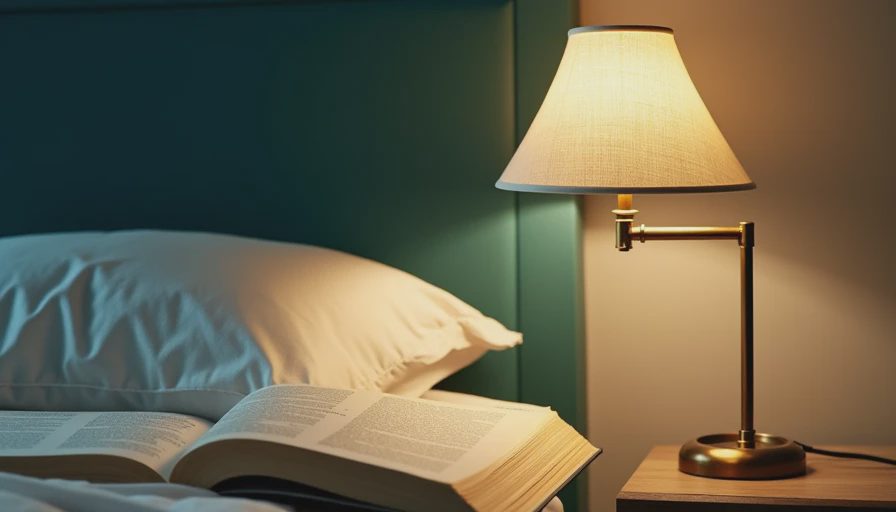
The best reading lamps for a bedside table
For a traditional nightstand, I keep coming back to the IKEA Ranarp table lamp. It is usually affordable, has an adjustable shade, and looks more substantial than its price suggests. It takes a standard bulb, which means the recipient can choose a warm 2700K bulb for a softer evening glow or a brighter option for small print. The cord is not glamorous, but neither is paying $120 for a lamp that does less.
A more polished choice is the Anglepoise Type 75 desk lamp. It costs considerably more, but the arm movement is smooth, the base feels planted, and the design has enough personality to look intentional. I would give this to somebody who reads in a chair or works at a writing desk, not someone who wants a tiny lamp beside a narrow bed.
For a reader who shares a bedroom, a book light can be smarter than a table lamp. The Vekkia rechargeable neck light is the sort of humble tool that solves the actual problem: light follows the book, and the beam does not flood the room. It is not the romantic-looking gift on the table, but Lily appreciated it more than my handsome mistake. That is usually how this file works.
Desk lamps for readers, students, and writers
The best reading lamps for a desk should cover more than one page without creating a bright spot in the middle of the paper. A long, adjustable LED bar works well for students, journal writers, and anyone reading documents beside a laptop. The BenQ e-Reading Desk Lamp is expensive, but its wide light coverage and adjustable head make sense for a large workstation. I would not buy it blindly for a small dorm desk, where its footprint could feel excessive.
For a smaller budget, the TaoTronics LED Desk Lamp has commonly offered useful features such as dimming, color-temperature changes, a USB charging port, and a compact base. The exact model can change, so I pay attention to the control layout and return policy. Touch controls are convenient when they work. When they do not, they become a tiny nightly argument.
A clamp lamp is another strong option for a crowded desk. The Globe Electric swing-arm clamp lamp can attach to a shelf or desktop edge and move out of the way when the reader needs space. This is especially practical for a college student, a hobbyist, or the person who keeps a stack of books beside a sewing machine. Measure the clamp clearance first; a thick desk can defeat an otherwise sensible gift.
Matching the lamp to the person
Buying the best reading lamps gets easier when you start with the recipient's routine. For a spouse who reads in bed, choose a dimmable bedside lamp or a flexible neck light. For a parent who reads in a recliner, choose a tall floor lamp with a directional head and a foot switch. For a teenager, prioritize a compact base, USB charging, and controls they can understand without instructions. For a serious book collector, appearance matters more, so a brass, wood, or matte-black finish may land better than another plastic gadget.
I once bought a floor lamp with a foot switch for my father, who reads the newspaper in a chair. It was not especially stylish, but he could turn it on without leaning across the armrest. That small detail made it a better gift than several prettier lamps I had considered. The best reading lamps remove a little friction from a habit somebody already enjoys.
Color temperature deserves a quick mention. Warm light feels relaxed and works well in bedrooms. Neutral white light can make small print easier to see at a desk. If you do not know the recipient's preference, a lamp with adjustable color temperature is safer than guessing. Avoid making medical claims about blue light or eye strain; the useful test is simple comfort and clear visibility.
What to spend and what to skip
Under $30, you can find useful clip-on lights, simple LED desk lamps, and basic table lamps. These can be excellent gifts for a dorm room or a child who is still rough on furniture. From $40 to $90, you get better adjustability, sturdier bases, and more attractive finishes. Above $100, you are usually paying for materials, engineering, design, or a brand name, not automatically better reading light.
I would skip lamps that hide the bulb behind a thick decorative shade, lamps with a tiny touch button on the back, and anything that requires a phone account for ordinary on-and-off control. I would also skip a giant novelty lamp unless the recipient specifically likes that look. The best reading lamps are boring in the most complimentary way: they work every night and do not demand attention.
Before wrapping one, test the switch, tighten the arm, and install the bulb if the gift makes sense that way. Put the cord where it will not cross a walking path. If it is a rechargeable model, charge it first. A recipient opening a lamp that is ready to use feels much more considered than opening a box full of setup chores.
My practical gift-picking checklist
Start by asking where the person reads: bed, recliner, desk, sofa, or porch. Then check whether they share the room with a sleeper. Decide whether they need a focused beam or broader room light. Measure the available surface, including the space taken by a book, drink, phone, and alarm clock. After that, choose the finish and price range.
For most people, my safest recommendation is a dimmable bedside or desk lamp with an adjustable head, a standard replaceable bulb, and a stable base. That combination is more useful than a spectacular shape. If the recipient is hard to shop for, add a good paperback or a bookstore gift card and let the lamp support the habit rather than trying to become the whole present.
The best reading lamps are the ones that disappear into somebody's evening routine. Lily's favorite is not the lamp I expected. It is the small, adjustable one that gives her enough light without waking me, fits beside her water glass, and has one button she can find in the dark. That is the standard I use now. Buy for the real chair, the real nightstand, and the real person sitting there.



No comments yet — be the first to share a thought.