I started looking at the best small space heaters after giving Lily a blanket that looked nice, felt thin, and somehow shed lint on every black shirt she owned. A heater is less romantic than a necklace, sure, but the right one can become the thing somebody uses every morning from November through March. The wrong one becomes a dusty plastic box in the closet. I've been keeping a file on the people I love. Here it is.
A compact heater makes a good practical gift for a spouse working from a cold home office, a college student in a drafty room, or a parent whose favorite reading chair sits beside an unhelpful window. The trick is choosing for the room and the person, not grabbing the first bright red sale sticker you see.
What makes the best small space heaters worth buying
The best small space heaters do three jobs without making a production of it: warm a personal area, run quietly enough for conversation or sleep, and include sensible safety features. Most plug-in models use 1,500 watts on their highest setting, which is typical for a standard household outlet. Lower settings use less electricity and often feel more comfortable in a small office.
For Lily, I would choose a quiet ceramic heater with a thermostat, an automatic shutoff if it tips, and overheat protection. She grades papers at the dining table, so a roaring fan would last about one afternoon. For Theo's room, I would be even more conservative: no heater near bedding, curtains, or toys, and no model that requires an extension cord. A heater is not a toy, even if the manufacturer puts cheerful buttons on it.
Look for a stable base, a straightforward control panel, and a cord long enough to reach the wall without stretching. The best small space heaters also have a cool-touch exterior, though “cool-touch” does not mean every surface stays cold forever. It means the casing is designed to reduce burn risk. That distinction matters when a five-year-old is investigating everything.

The types I would actually consider
Ceramic fan heaters are the familiar choice. A heating element warms the air, and a fan pushes that air into the room. They heat a desk area quickly and are usually affordable, often between $25 and $60. Brands such as Lasko, Vornado, and Honeywell offer many models in this category. They can be good gifts, but fan noise varies more than the product pages suggest.
Oil-filled radiators work differently. They warm slowly, then continue radiating heat after the thermostat cycles off. They are usually too large for a desktop, but a compact De'Longhi or Pelonis radiator can suit a bedroom or chilly den. The exterior can become hot, so placement matters. I would not put one beside a child's bed or where a dog can knock into it.
Infrared heaters warm nearby objects and people rather than simply pushing hot air around. They can feel pleasant beside a chair, especially in a drafty room, but they still need clear space around them. They are not magic boxes that heat an entire house for pennies. If a listing makes that promise, close the tab.
For most gift situations, I lean toward a small ceramic model with a thermostat and multiple heat settings. It is easier to understand, easier to move, and less likely to become a complicated appliance nobody wants to operate.
My short list for different people
For a home-office worker, the Vornado VH202 is the kind of compact heater I would investigate first. Vornado is known for strong air circulation, and its small heaters tend to suit a desk or floor near a chair. The tradeoff is that air movement creates some fan noise. A Lasko ceramic tower or compact Lasko personal heater often gives more control for a modest price, usually around $30 to $70 depending on features and retailer.
For a bedroom, I prefer a model with a thermostat, a low setting, and a display that can be dimmed or switched off. Honeywell makes widely available compact heaters with familiar controls. Availability changes, so I pay attention to the manual and safety labeling rather than assuming a logo guarantees everything.
For a dorm or apartment, check the housing rules before wrapping anything. Some buildings restrict portable heaters, and a shared electrical circuit can trip when a heater runs alongside a microwave, hair dryer, or gaming setup. The best small space heaters are still not helpful if the recipient cannot use one legally or safely.
For a thoughtful but inexpensive gift, add a small thermometer and a handwritten note about placement. That costs little and communicates more care than buying a larger model with a dozen buttons.
Safety details that belong in the gift
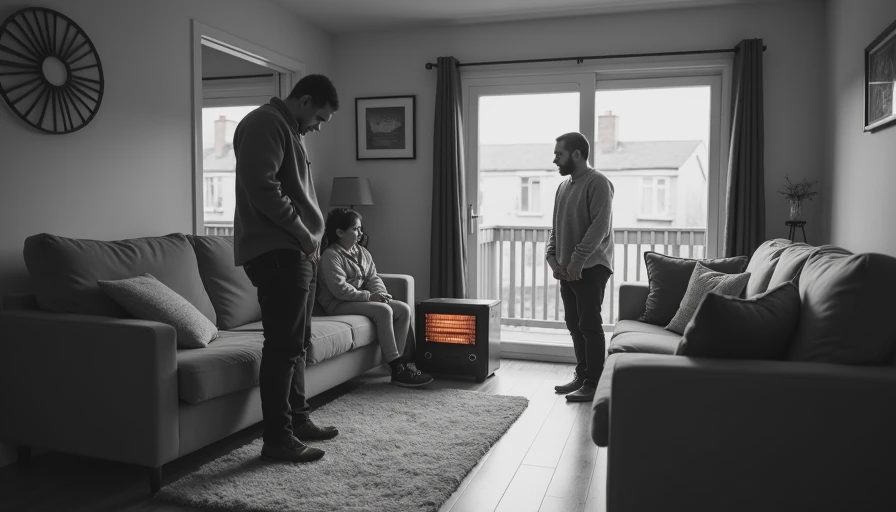
Place a portable heater on a solid, level, nonflammable surface with several feet of clearance from curtains, paper, bedding, furniture, and clothing. Plug it directly into a wall outlet. Do not use a power strip or extension cord unless the manufacturer specifically permits it, and do not run the cord under a rug. Keep water away from the unit, even if the room is a bathroom and the heater is marketed as compact.
A heater should not be left running while everyone sleeps or leaves the house. That is the part people skip because they are comfortable and tired. I have done the “it will only run for another hour” routine myself. Better models include timers and tip-over shutoff, but those features support good habits; they do not replace them.
Before gifting, open the box and inspect the cord, plug, controls, and grille. Look for a recognized safety certification mark such as UL or ETL on the product or packaging. Keep the receipt, register the product if the manufacturer offers that option, and save the manual somewhere the recipient can find it. The best small space heaters should come with instructions that explain wattage, clearance, and cleaning.
How I would choose one in five minutes
First, identify the space: desktop, bedroom, bathroom-adjacent hallway, or living-room chair. Next, decide whether the recipient values silence, fast warmth, low cost, or simple controls. Then set a realistic budget. Spending $25 can work for a basic personal heater; spending $60 to $120 can buy quieter operation, better controls, or a more substantial design. Higher price alone does not make a heater safer.
I would then check the wattage, dimensions, thermostat, timer, tip-over protection, and return policy. Read recent customer complaints for repeated issues such as rattling fans, difficult controls, or a strong plastic smell that does not fade. I do not treat one angry review as a verdict, but a pattern deserves attention.
Finally, picture the recipient using it on a normal Tuesday. Will Lily want to reach under her desk to adjust it? Will June try to decorate it with stickers? Will Theo leave a sock on top? That little mental test catches more bad gifts than a hundred product rankings. The best small space heaters are the ones that match a real habit and can be used without drama.
A small heater will never beat a carefully chosen personal gift for sentiment. But when someone is cold at a desk, in a drafty rental, or beside an old window, useful can feel surprisingly personal. Buy the safe, simple model, explain where it goes, and skip the gadget with promises too big for its little fan. That is how the best small space heaters earn their spot instead of their trip to the closet.




No comments yet — be the first to share a thought.