A speed queen washing machine is not the glamorous purchase in the house. Nobody gathers around the laundry room to admire it. Still, after enough damp towels, grass-stained socks, and a washer that quits with a tub full of gray water, you start paying attention. I have been keeping a file on the people I love. Here it is: my practical take on whether this old-school machine deserves your money.
Why Speed Queen gets people talking
The appeal is pretty simple. Speed Queen builds washers around the idea that laundry equipment should be sturdy, straightforward, and repairable. The company is known for commercial laundry equipment, and its residential machines borrow that heavy-duty character. That does not mean every model is perfect or that the machine will last forever. It means the design generally feels less disposable than a bargain washer packed with complicated electronics.
A typical speed queen washing machine costs more upfront than many mainstream top-loaders. Depending on the model and retailer, you could be looking at roughly $1,000 to $2,000 before delivery, installation, hoses, and removal of the old machine. That is real money. In our house, that kind of purchase gets discussed over coffee, then discussed again when Lily reminds me what else $1,500 could buy.
The reward is a washer that feels built for regular family punishment. The lid, control panel, and metal-heavy cabinet give it a solid feel. It is not trying to be a piece of futuristic furniture. It is trying to wash clothes every Tuesday night without needing a pep talk.
One warning: do not buy one expecting a silent, delicate European appliance. Some Speed Queen models use a traditional agitator and can be louder or more physical than a high-end front-loader. That old-fashioned action is part of the point, but it is not ideal for every laundry room.
Cleaning performance in a real family laundry room
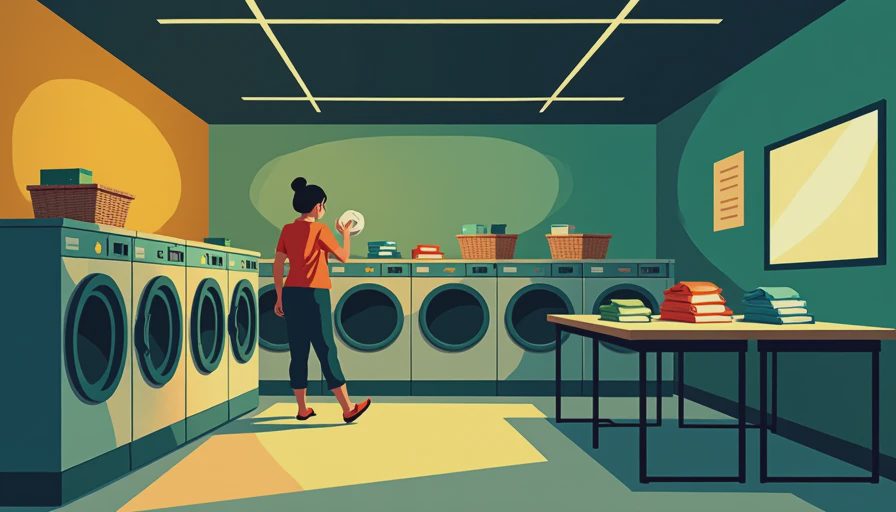
In my experience, the most important question is not whether a speed queen washing machine has the longest menu of cycles. It is whether the normal cycle handles the stuff your family actually creates. For us, that means sweaty shirts, bath towels, muddy shorts, and the occasional crayon-related emergency. A strong wash action matters more than twelve settings nobody remembers.
Top-load models are especially appealing if you prefer a familiar routine. Put clothes in, add detergent, choose a cycle, and move on. The deep-fill or extra-rinse options can help with bulky loads, although using more water is not automatically better for every fabric. Read the manual and use the recommended detergent amount. Pouring in half a cup because the clothes look heroic is how you get residue and unnecessary wear.
A front-load machine can be gentler and more efficient with water, but it brings its own chores. The door gasket needs wiping, and leaving the door closed after a load can create a sour smell. A speed queen washing machine with a top-loading design avoids that particular maintenance habit, which is valuable when two children are asking for snacks while you are sorting socks.
The machines also tend to handle large household loads well, but “large” still has limits. Do not pack the tub until clothes stop moving. A washer needs room for water and agitation to do their jobs. Overloading is one of the fastest ways to get disappointing cleaning from an otherwise capable appliance.
What you are really paying for
The price of a speed queen washing machine is mostly a bet on longevity and serviceability, not a promise of magical stain removal. A cheaper washer in the $600 to $900 range can clean clothes perfectly well when it is new. The question is what happens after years of unbalanced loads, hard-water deposits, and daily use.
Speed Queen’s reputation gives buyers some confidence, but repair costs still exist. A service call can easily run over $100 before parts and labor. A pump, belt, lid lock, or control component will not be free. The sensible comparison is not “expensive washer versus free washer.” It is the estimated ownership cost over several years, including delivery, repairs, detergent, and the hassle of replacing a failed machine during a busy week.
Warranty terms differ by model and purchase channel, so read the actual paperwork before buying. Also confirm who handles service in your area. A durable speed queen washing machine is less useful if the nearest qualified technician is several hours away and your laundry room is already stacked with towels.
For many families, a reasonable target is to spend around $1,200 to $1,700 on the machine and reserve another $150 to $300 for delivery details, new hoses, leveling, and removal. Those numbers are not a quote, just a reminder that the sticker price is rarely the complete price.
Models, features, and the details I would check
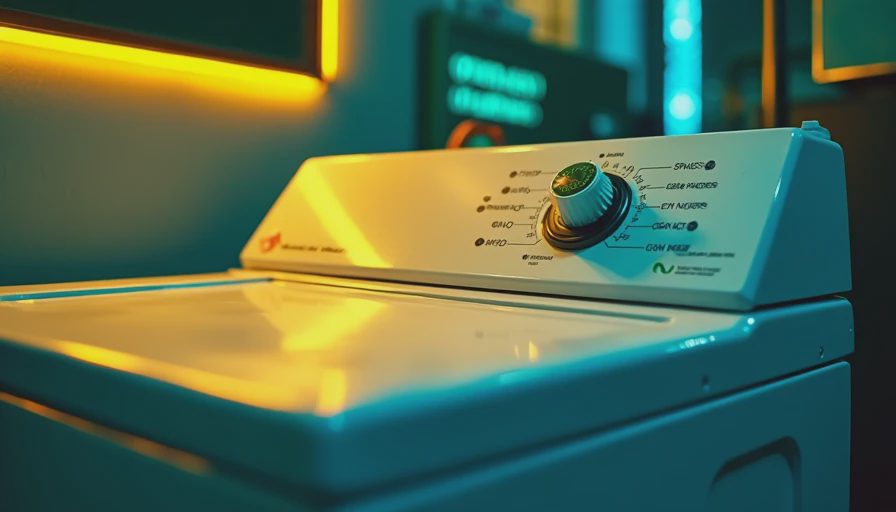
Speed Queen’s residential lineup has included traditional top-load washers, more automated top-load designs, and front-load options. The right one depends on how you wash, not which model has the most buttons. If you want simple controls and a strong mechanical feel, look closely at the classic top-load designs. If you care more about water efficiency, capacity, and gentler handling, compare the newer automated or front-load choices.
Before ordering, measure the doorway, hallway, and laundry closet. I have watched a delivery crew discover that a new appliance could fit in the house but not make the turn into the room. Measure the height with the lid open if you are considering a top-loader. Check whether the water lines and drain hose reach comfortably. A $1,500 machine should not be installed with a desperate extension-hose arrangement.
Noise matters too. If the washer sits beside a bedroom or under a home office, ask about reported operating noise and read the manual's installation instructions. Leveling is not cosmetic. A machine that rocks during the spin cycle can sound like somebody dropped a toolbox down the stairs.
Is a speed queen washing machine a good gift?
This is where I have to be honest about the Dad File. A washing machine is a terrible surprise gift unless the person receiving it has already said, clearly and repeatedly, “I want that washer.” Do not wrap one for an anniversary and call it thoughtful. I once gave Lily a kitchen gadget that promised to make life easier and watched it disappear into a cabinet within a month. Appliances are not automatically romantic because they are expensive.
A speed queen washing machine can be a good shared household purchase when both people want reliability and understand the cost. It can also make sense for a parent moving into a first home, a family replacing a failing machine, or anyone who values straightforward equipment over app connectivity. Just involve the person who will actually wash the clothes.
If this is a gift, make the presentation human. Handle delivery, old-machine removal, and installation. Add a grocery delivery or a night off from laundry during the switch. The machine is useful; the thought is in removing the work around it.
My bottom line before you pull out the card
I would consider a speed queen washing machine when reliability, simple operation, and heavy household use matter more than the lowest purchase price. I would skip it if the budget is tight, the laundry room needs a very quiet appliance, or the buyer mainly wants smart features and a huge touchscreen.
Do the boring checks first: compare the exact model, confirm capacity, price delivery, verify local service, and measure the route into the laundry room. Then compare it with a well-reviewed LG, Maytag, Whirlpool, or GE washer at the same total installed price. The right choice is the one that fits your habits and your house, not the one with the strongest reputation in a comment thread.
For our family, a speed queen washing machine makes sense because laundry is constant and patience is not. It will not make folding socks enjoyable. Nothing can do that. But a dependable washer that starts, cleans, spins, and finishes the job without drama is a pretty good household victory.



No comments yet — be the first to share a thought.