I have bought enough beach gear to know that the wrong item becomes everybody’s problem by lunchtime. The best beach umbrellas are not necessarily the biggest, prettiest, or cheapest. They are the ones that stay put when the breeze comes off the water, open without a wrestling match, and create enough shade for two tired kids and one parent who forgot sunscreen. I have been keeping a file on the people I love. Here it is.
What makes a beach umbrella worth carrying
The first thing I look for is a sturdy pole and a reliable anchor system. A lightweight umbrella that twists into dry sand is easy to carry, but it can become a sail as soon as the wind picks up. A sand anchor, auger base, or wide screw-in point matters more than a clever pattern. If the umbrella includes a tilt mechanism, even better. The sun moves, and nobody wants to drag the entire setup every 20 minutes.
Size is the next decision. A 6-foot canopy works for one or two people sitting close together. For a family, I prefer 7.5 to 9 feet, especially if there will be a cooler, beach toys, and someone trying to eat a sandwich in the shade. Bigger is not automatically better, though. A huge canopy catches more wind and takes longer to secure. On crowded beaches, a manageable 7-foot umbrella is often the smarter choice.
Fabric matters, too. Look for polyester or another tightly woven outdoor fabric with strong stitching around the ribs. A vent near the top allows some air to escape instead of turning the canopy into a parachute. I also like a wooden or fiberglass frame for a more forgiving feel, while aluminum keeps the weight down. Neither material makes an umbrella safe by itself; proper anchoring does that.
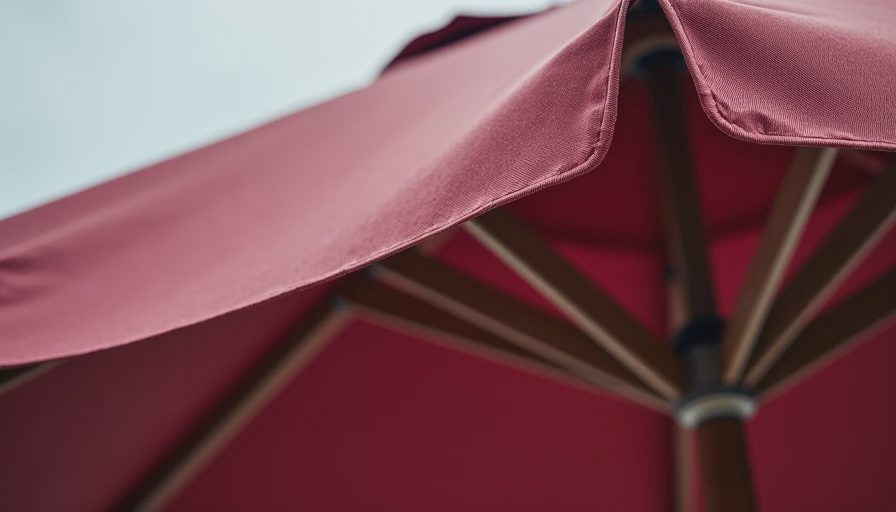
The best beach umbrellas for different kinds of families
For a simple beach day with Lily and me, I would choose a 7-foot tilting umbrella with a built-in sand screw. It gives enough shade for two chairs, fits in the trunk beside the cooler, and does not require a separate bag of hardware. Brands such as Tommy Bahama commonly sell this style, and the appeal is practical: a shoulder strap, a tilt button, and pockets for keys or a phone. The bright colors are not just decoration. A visible canopy is easier to find when June wanders toward the waterline.
For a larger family, the best beach umbrellas are closer to 8 or 9 feet, with a strong base and a vented top. Sport-Brella’s umbrella-and-shelter designs can be useful when you want side panels or extra wind protection, although they take more room and more time to set up. They make sense for a long day with a baby, a child who naps, or grandparents who need dependable shade. They are less appealing when you are walking half a mile from the parking lot.
For a person carrying everything alone, weight becomes the deciding factor. A compact 6-foot model from a recognizable outdoor brand can beat a heavy luxury umbrella simply because it actually makes it to the beach. I would rather have a 10-pound setup that gets used every weekend than a 20-pound one that stays in the garage. A carrying case with a shoulder strap is worth several extra dollars here.
What I learned after buying the wrong one
My first beach umbrella had a narrow metal spike. It looked perfectly reasonable in the store. At Tybee, it sank into the sand, leaned sideways, and needed someone holding the pole for the rest of the afternoon. That was not shade; it was a family chore with stripes.
The better approach is to assemble the anchor before opening the canopy. Twist the base deep into packed sand, wiggle it to test the connection, and then attach the pole. Push sand firmly around the anchor rather than relying on a shallow hole. If the beach is windy, burying the lower section a few inches deeper can help, but do not leave the umbrella unattended. A loose umbrella can hurt someone, damage property, or disappear down the beach.
The best beach umbrellas also come with a storage plan. Let the fabric dry fully before putting it away, especially after saltwater use. Rinse sand from the joints and pole with fresh water when you get home. Sand inside a tilt button is a tiny nuisance that becomes a broken mechanism by the third trip. I keep the umbrella in a garage corner with the anchor in the same bag, because separating those parts guarantees I will forget one.

Features worth paying for and features I skip
I will pay extra for a strong tilt joint, a vented canopy, reinforced rib pockets, and a base that is included rather than sold separately. Those details affect whether the umbrella works at 10 a.m. and still works at 3 p.m. A color that stands out is also useful when several families have similar gear spread across the sand.
I am less interested in built-in speakers, decorative fringe, or complicated lights. They sound fun in an online listing, but they add weight, cleaning problems, and more parts that can fail. A phone pocket is handy. A Bluetooth speaker is not a reason to choose one umbrella over another. Spend that money on a better anchor or a second beach towel.
Prices usually land around $40 to $80 for a basic family umbrella, $80 to $150 for a sturdier setup, and more for a full shelter system. You do not have to spend the top amount. A well-anchored midrange umbrella will usually be more useful than an expensive canopy with a flimsy base.
My short buying checklist
Before buying, check the open diameter, packed length, total weight, canopy material, and anchor design. Make sure the pole diameter matches the base if the pieces are sold separately. Read the care instructions, because some canopies are spot-clean only and should not go in a washing machine.
Think about your actual beach routine. If you walk from a parking lot, choose lighter gear. If you set up near the car for six hours, prioritize coverage and stability. If your kids are still young, shade around the edges is valuable because they rarely sit directly beneath the canopy. If you fish, read, or nap at the beach, a tilt feature becomes more important than a bright print.
The best beach umbrellas should make the day quieter, not create another task. My pick for most families is a vented 7- to 8-foot umbrella with a sand screw, tilt function, shoulder bag, and a canopy color you can spot from 50 yards away. That setup is not glamorous, but it handles real life: wet towels, snack breaks, shifting sun, and one kid asking whether it is time to leave.
Final advice from a tired beach dad
Buy the anchor first in your mind, not the pattern. Practice opening and securing the umbrella in the backyard before taking it to the shore. On the beach, place it behind the chairs, angle the canopy toward the sun, and check it whenever the wind changes. Keep the umbrella closed when nobody is using it.
The best beach umbrellas are the ones that protect the people you brought, survive more than one season, and do not make you regret packing them. That is a modest standard, but after a few failed purchases, I have learned to appreciate modest standards. Get the right size, secure it properly, rinse it afterward, and you will have one less thing to troubleshoot while the kids are already in the water.

No comments yet — be the first to share a thought.